


A publication by Sarenova exploring the science of low-tox living and nature-fueled wellness
- - - - -
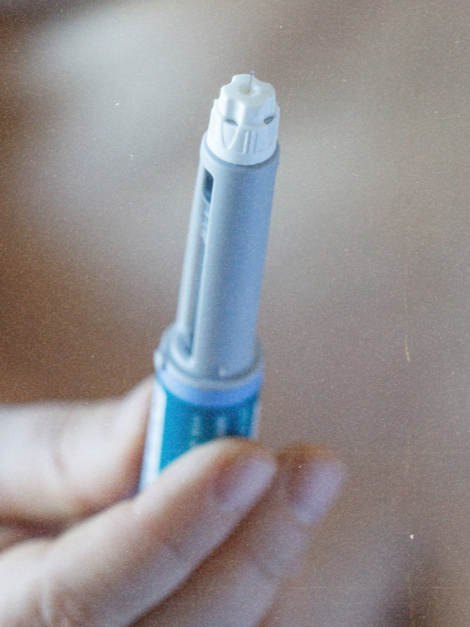
When Smaller Portions Create Bigger Gaps: GLP-1s and Nutrient Deficiencies
If you are on a GLP-1 and eating less than you have in years, it is easy to assume that "less food" automatically equals "better health." But when your portions shrink, your nutrient intake shrinks too.

Why “Mom Burnout” Might Actually Be Low Ferritin
If you're dragging through the day, living on caffeine, and telling yourself it's just "mom burnout," there's a good chance your iron stores, not just your schedule, are part of the story. Low ferritin, the way we measure iron storage in the body, is one of the most overlooked drivers of fatigue, brain fog, hair shedding, and that wired tired feeling at night.
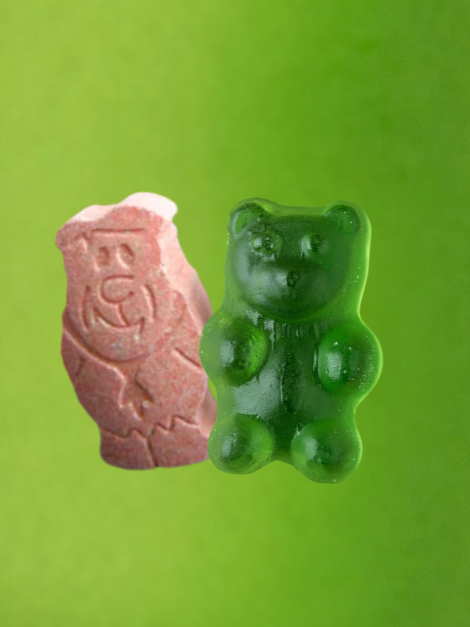
From Flintstones to Gummies: Same Story, New Packaging
Many of us grew up with a very specific kind of wellness ritual: twist the orange cap, shake out a chalky little cartoon character, chew it like candy, and feel like the day’s nutrition problem was solved. It was fun. It was also marketing genius. Flintstones chewables were the training wheels. Gummies are the adult version.

I Eat Healthy and Take a Probiotic: Do I Really Need Beef Organs?
If you already eat “pretty healthy” and take a probiotic, it’s normal to wonder if beef organ supplements are extra or actually helpful. This post is for the woman who’s checking most of her health boxes but still deals with low energy, heavy periods, brain fog, or feeling like her tank is always on low.

How Your Gut Microbiome Powers Your Daily Energy
Most women blame their schedule for their exhaustion. Science is pointing somewhere else entirely. The connection between gut health and energy is one of the most underappreciated stories in women's wellness. And the research is finally catching up to what many women already feel intuitively: when the gut is off, everything is off.

Grounding Benefits for Women: Better Sleep, Less Inflammation
If you’ve ever found yourself scrolling in bed at midnight, exhausted but wired, you are not alone. Grounding, also called earthing, is a low-tech, low-cost practice that connects your body directly to the earth's surface and may help with inflammation, sleep, pain, and stress—all in ways scientists can actually measure.

One of the Rare Reversible Causes of Hair Graying
Vitamin B12 deficiency is one of the most well-established reversible causes of premature graying. In rare cases, graying reflects a temporary disruption rather than permanent damage. When the underlying cause is identified and corrected, natural hair color can return.
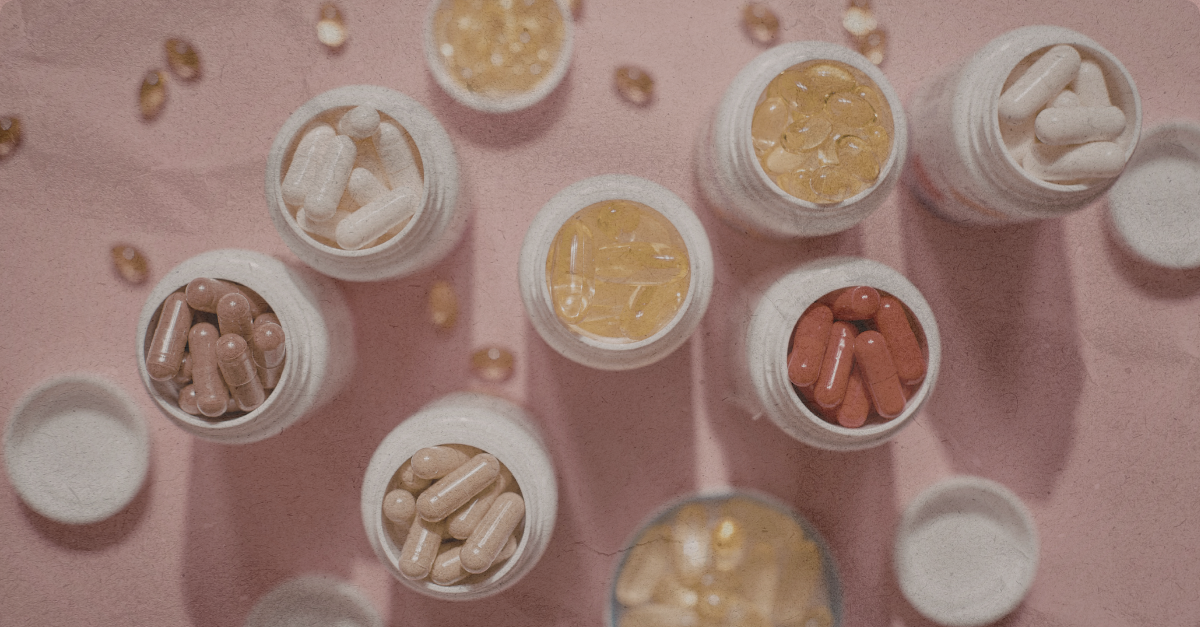
Supplement Swaps for a Low-Tox Lifestyle
Low-tox living usually starts with swapping conventional cleaners for vinegar and baking soda. Then you start to filter your water. Then it’s time to replace nonstick cookware, rethink skincare, upgrade air quality, and slowly remove the things that don’t belong in your home or on your body. But one area we often don’t think about swapping out is our supplements.

Your Daily Shield: Organ Nutrition for Immunity
Many people do “everything right” for their immune system and still get sick. Immune health is often framed as something you activate when you feel run down or threatened, as a seasonal intervention or short-term solution.

What “Bioavailable” Really Means in Supplements
The word bioavailable appears on nearly every supplement label, yet many people still feel disappointed by the results. They take the product, hit the dosage listed on the bottle, and wait for something to change. Often, nothing does. The issue is not effort or consistency. It’s a misunderstanding of what bioavailability actually means.

The Bioactive Superiority of Freeze-Dried Beef Organ Superfoods
Most people understand that organ meats are among the most nutrient-dense foods available. Yet many eat organ meats and still don’t experience the benefits they expect. The disconnect isn’t the food itself. It’s what happens to it before it reaches the body.

Why Bioavailability Matters More Than Milligrams
Supplement labels focus heavily on dose size, but milligrams alone do not determine effectiveness. Nutrients must survive digestion, pass through the gut barrier, and reach tissues in a usable state. The body doesn’t respond to what you swallow. It responds to what you absorb.

From Bloating to Balance: How Beef Intestine and Collagen Peptides Support Digestion and Calm the Gut
Bloating, heaviness, and digestive discomfort are incredibly common. Many people assume they are overeating or choosing the wrong foods, but symptoms often appear even when meals are simple and balanced. The real issue can run deeper.

How to Naturally Balance Your Hormones with Beef Organ Superfoods
Hormonal balance touches nearly every system in the body. Energy levels, mood stability, fertility, thyroid health, and metabolic rhythm all depend on a steady supply of the right nutrients. Yet many people who eat well and live intentionally still feel off.

Clearer Skin, Naturally: The Vitamin A Connection
Skin always tells the truth about what’s happening inside. As we age, cell turnover slows, stress leaves its mark more easily, and the skin loses some of its natural radiance. Topicals can help, but lasting, bigger changes often depend on whether the body is receiving vitamin A in a form it can truly use.

Supporting Vitality and Gut Health After Menopause
Postmenopause settles the hormonal swings, but the body is still adjusting in quieter ways. Digestion can feel different. Energy doesn’t always stretch as far as it used to. Some women notice brain fog lingering after long days or less resilience than before. It might feel like a bad sign, but the truth is, none of these signals means you’re experiencing a decline. It simply means the body is calling for steady, meaningful support.

Why Herbs and Organs Work Better Together
Organ meats were once ordinary, eaten often, and almost always paired with herbs that made them easier to enjoy. Today, wellness trends are catching up to something traditional cultures have understood for centuries.

Why Nutrition Isn’t Taught in Med School (And How It Affects Your Health)
Most physicians receive only a few hours of formal nutrition instruction throughout their medical education, leaving a gap in one of the most biologically fundamental areas of health: how the body responds to what we feed it.

Slippery Elm: The Ancient Gut Soother
For centuries, Native American healers relied on the inner bark of Ulmus rubra. The bark’s mucilage—a naturally gel-forming, soothing fiber—turns slippery when mixed with water, creating a protective coating along the digestive tract.

Transparency in Wellness: Why Sourcing & Standards Matter
In the wellness industry, the sparkle of polished marketing no longer satisfies. Today’s consumers want clear evidence of where ingredients originate, how they are handled, and who manufactures them